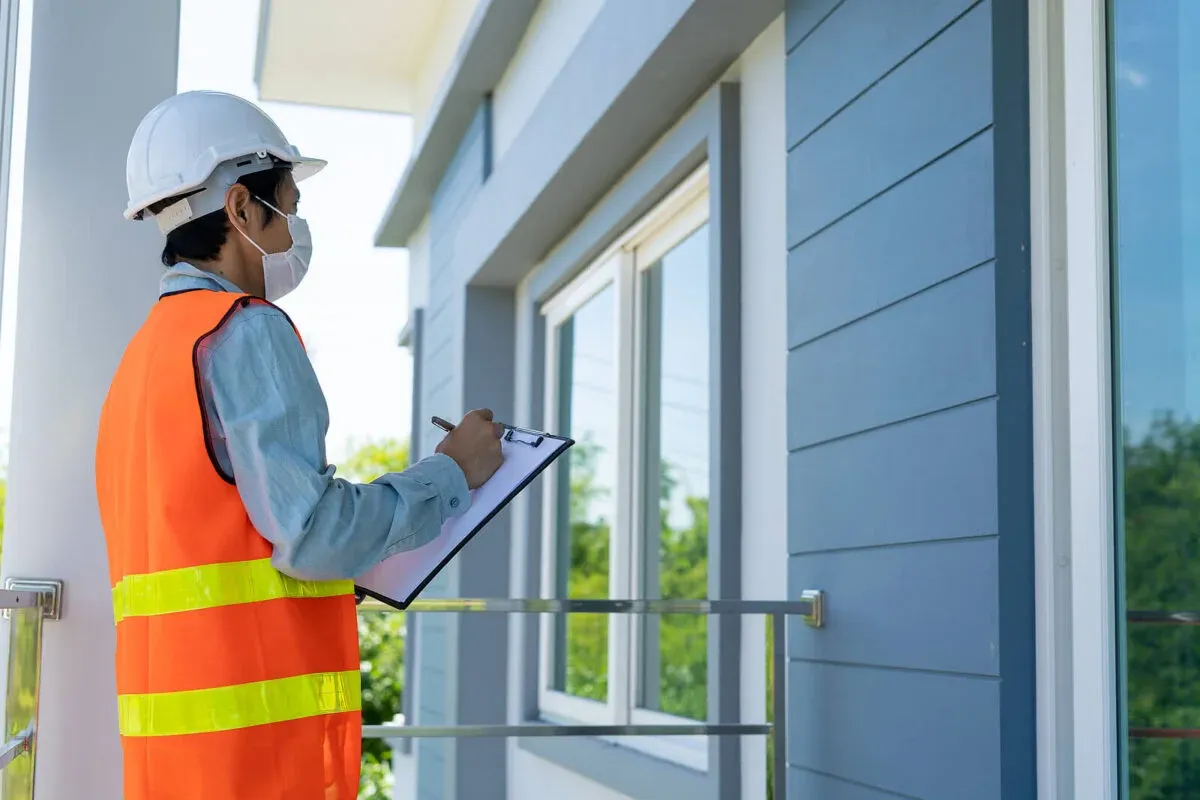
Buying a commercial property in Denver is a major investment that requires careful planning and due diligence. Whether you are purchasing an office building, retail space, warehouse, or multifamily investment property, understanding the building’s condition before closing can help you make a more informed decision.
A commercial property inspection in Denver helps buyers identify visible building defects, evaluate major systems, and understand potential maintenance concerns before completing a purchase. From roofing and structural components to plumbing, electrical, and HVAC systems, an inspection provides valuable information about the property’s current condition.
This guide explains what commercial building inspections include, why they matter, what buyers should look for, and how to use inspection findings during the commercial real estate purchasing process.
What Is a Commercial Property Inspection?
A commercial property inspection is a visual evaluation of a building’s accessible components and systems to identify observable defects, safety concerns, and signs of deterioration. The inspection’s scope depends on the property type, its age, accessibility, and the agreed-upon inspection services.
Unlike a residential home inspection, a commercial building inspection may involve more complex systems, larger roof areas, specialized equipment, and building components designed for a specific business use.
A commercial property condition assessment may review:
- Structural components, including visible foundations, columns, beams, and load-bearing elements
- Roofing materials, drainage systems, and signs of water intrusion
- Heating, ventilation, and air conditioning (HVAC) equipment
- Electrical panels, visible wiring, and electrical system conditions
- Plumbing fixtures, accessible piping, and visible leaks
- Interior walls, ceilings, floors, doors, and windows
- Parking areas, walkways, drainage, and other accessible site features
- Visible signs of moisture damage, deterioration, and deferred maintenance
The inspection report documents observed conditions and may recommend further evaluation by qualified specialists when a concern requires additional investigation. It does not automatically establish compliance with every building code, guarantee future performance, or replace specialized environmental, engineering, or code-compliance assessments.
Why Commercial Property Inspections Matter for Denver Buyers
A property’s appearance does not always reflect its underlying condition. Fresh paint, renovated interiors, and attractive finishes may make a building look ready for occupancy while important maintenance issues remain undiscovered.
A commercial real estate inspection helps buyers understand potential risks before committing to a purchase.
Identify Costly Building Defects
Roof leaks, deteriorating structural components, damaged pavement, and aging mechanical systems can require significant repairs. Identifying visible concerns before closing gives buyers an opportunity to investigate further and consider the potential financial impact.
Make Better Investment Decisions
A commercial property condition assessment provides information that can help buyers evaluate whether a property aligns with their investment goals, operating budget, and intended use.
Inspection findings may influence a buyer’s decision to proceed, request additional assessments, negotiate repairs, or reconsider the purchase.
Plan Future Maintenance
Commercial buildings require ongoing maintenance. An inspection can help identify items that may need attention soon and those that could require longer-term planning.
Understanding these issues can help property owners develop a more realistic maintenance budget.
Support Purchase Negotiations
Documented inspection findings can provide a basis for discussions with the seller. Depending on the purchase agreement, buyers may be able to negotiate repairs, request credits, seek price adjustments, or pursue additional due diligence.
The outcome depends on the contract terms and the parties’ agreement.
What Does a Commercial Building Inspection Cover?
The inspection scope varies by property, but several building components deserve particular attention during the commercial property purchasing process.
1. Structural Components and Foundation
Structural conditions can affect a building’s safety, usability, and long-term maintenance needs. Inspectors may look for visible foundation cracks, uneven floors, signs of settlement, deteriorated masonry, and apparent damage to accessible structural components.
Not every crack indicates a serious structural problem. However, unusual movement, widening cracks, or signs of water-related deterioration may warrant evaluation by a qualified structural engineer.
2. Roof and Drainage Systems
Roof repairs and replacement can represent substantial commercial property expenses. Buyers should understand the roof’s visible condition and investigate available maintenance records.
An inspection may identify damaged roofing materials, deteriorated flashing, ponding water, blocked drainage components, and evidence of interior water intrusion.
Ask the seller for available roof installation records, repair invoices, warranties, and maintenance documentation. A separate roofing contractor may be needed to assess remaining service life or provide a repair estimate.
3. HVAC Systems
Heating and cooling systems influence occupant comfort, energy use, and building operations. Commercial HVAC equipment can also be expensive to repair or replace.
An inspection may include a visual review of accessible equipment, visible deterioration, apparent operating conditions, and maintenance concerns within the agreed scope.
Buyers should request service records and equipment information where available. Specialized HVAC testing may be necessary to assess system performance, capacity, or remaining useful life.
4. Electrical Systems
Electrical problems can affect operational reliability and occupant safety. An inspector may examine accessible electrical panels and visible components for signs of damage, deterioration, improper conditions, or other concerns.
A general inspection is not a substitute for a comprehensive electrical evaluation. Suspected hazards or complex electrical issues should be assessed by a qualified electrician.
5. Plumbing and Water Intrusion
Plumbing concerns may include visible leaks, corroded piping, damaged fixtures, drainage problems, and signs of previous water damage.
Moisture intrusion can also affect walls, ceilings, flooring, and other building materials. Buyers should ask whether known leaks have been repaired and whether supporting documentation is available.
Additional testing may be necessary to investigate concealed piping, sewer lines, persistent moisture, or suspected microbial growth.
6. Building Envelope, Windows, and Exterior Walls
The building envelope helps protect the interior from weather and moisture. Inspectors may review accessible exterior walls, windows, doors, sealants, and other visible components for deterioration or potential water-entry points.
For Denver-area properties, buyers should also consider the condition of exterior materials exposed to changing temperatures, snow, ice, and seasonal weather.
7. Parking Areas and Site Conditions
Commercial properties often include parking lots, access drives, sidewalks, loading areas, and exterior drainage features.
Visible pavement deterioration, trip hazards, poor drainage, and damaged site components can create maintenance and operational concerns. Buyers should also verify access, parking, and site requirements relevant to their intended use.
Denver-Specific Considerations When Buying Commercial Real Estate
Denver’s climate, building characteristics, and local property requirements make location-specific due diligence important. Every property is different, so buyers should evaluate its actual condition rather than assume that all buildings share the same risks.
Weather Exposure and Water Management
Snow, freeze-thaw cycles, hail, and seasonal storms can contribute to roof wear, exterior deterioration, drainage concerns, and water intrusion.
During a commercial property inspection in Denver, buyers should pay attention to visible roof damage, drainage conditions, deteriorated sealants, and signs of previous leaks. Weather-related concerns should be evaluated according to the building’s materials, age, exposure, and maintenance history.
Heating and Cooling Performance
Denver’s seasonal temperature changes make heating and cooling important considerations for many commercial buildings.
Buyers should review available equipment records and determine whether the systems are appropriate for the property’s intended occupancy. Older or specialized systems may warrant further evaluation by an HVAC professional.
Building Permits and Intended Use
A building that previously operated as an office, retail store, or warehouse may not automatically meet the requirements for a new use.
Buyers should verify applicable zoning, occupancy, permit history, accessibility, and life-safety requirements with the relevant local authorities and qualified professionals. These matters are not necessarily confirmed by a standard property inspection.
Environmental and Site Risks
Depending on the property’s history and location, buyers may need additional environmental due diligence. Potential concerns can include recognized environmental conditions, hazardous building materials, or other site-specific risks.
A Phase I Environmental Site Assessment may be appropriate for certain commercial real estate transactions. It is a separate service from a standard building inspection and should be conducted by a qualified environmental professional when needed.
Commercial Property Inspection Checklist for Buyers
Use this checklist to organize your due diligence before closing on a commercial building.
- Review the property’s age, use, renovation history, and available maintenance records.
- Ask about known leaks, previous repairs, equipment failures, and recurring building issues.
- Evaluate accessible structural components and visible signs of settlement.
- Review the roof, flashing, drainage, and evidence of water intrusion.
- Check accessible HVAC equipment and request available service records.
- Review visible electrical and plumbing conditions.
- Look for moisture damage and deterioration inside and outside the building.
- Examine parking areas, walkways, loading zones, and accessible drainage features.
- Determine whether specialist inspections or additional testing are necessary.
- Review applicable permits, zoning, accessibility, and occupancy requirements separately.
- Read the inspection report carefully and request clarification about significant findings.
- Obtain qualified repair estimates for major defects before finalizing your financial assessment.
The checklist is a starting point, not a replacement for a property-specific inspection or professional advice.
How Much Does a Commercial Property Inspection Cost in Denver?
The cost of a commercial property inspection in Denver depends on the building’s size, age, complexity, location, accessibility, and inspection scope. A small commercial unit may require a different level of effort than a large warehouse, office complex, or industrial facility.
Additional services, such as structural engineering, sewer scope inspections, environmental assessments, roofing evaluations, or specialized mechanical testing, may involve separate fees.
When comparing inspection proposals, ask each provider to explain:
- Which building components are included
- Whether the roof and accessible site areas are covered
- What the written report will include
- Whether photographs and repair recommendations are provided
- Which exclusions or limitations apply
- Whether specialist assessments are available at an additional cost
- When the inspection and report will be completed
Request a property-specific quote rather than relying on a general price estimate. Comparing the scope of service is often more useful than choosing a provider based on price alone.
How to Choose a Commercial Property Inspector in Denver
Selecting an appropriate inspector is an important part of commercial real estate due diligence. Buyers should evaluate the provider’s relevant experience, qualifications, reporting process, and ability to inspect the type of building under consideration.
Verify Relevant Experience
Ask whether the inspector has experience with similar properties, such as office buildings, retail spaces, warehouses, industrial facilities, or multifamily buildings.
Commercial properties can contain specialized systems that require different inspection considerations.
Review Qualifications and Insurance
Confirm applicable licensing or certification requirements, professional qualifications, and insurance coverage. Requirements can vary depending on the services offered and the jurisdiction.
Ask whether the inspector uses qualified specialists when an issue falls outside the scope of a general inspection.
Understand the Inspection Report
A useful commercial property inspection report should clearly document observed conditions, identify significant concerns, include relevant photographs where appropriate, and explain recommended next steps.
Ask for a sample report so you can evaluate its clarity and level of detail before hiring the provider.
Confirm the Scope Before Booking
Discuss the building’s size, age, intended use, known concerns, and transaction deadlines. Make sure the proposal identifies included services, exclusions, fees, and expected delivery dates.
Clear expectations help buyers understand what the inspection will and will not establish.
What Happens After the Commercial Property Inspection?
The inspection report is most useful when its findings are reviewed as part of the broader due diligence process.
Step 1: Review significant findings. Identify conditions that may affect safety, building operations, repair costs, or the intended use of the property.
Step 2: Obtain specialist evaluations. Consult qualified structural engineers, electricians, HVAC contractors, roofers, or environmental professionals when additional investigation is recommended.
Step 3: Request repair estimates. Obtain written estimates for significant defects so you can evaluate their potential financial impact.
Step 4: Reassess the investment. Consider the purchase price, expected operating expenses, maintenance requirements, and anticipated capital improvements.
Step 5: Discuss options with the seller. Depending on the contract, you may be able to negotiate repairs, credits, price changes, or other terms.
Step 6: Complete remaining due diligence. Review legal documents, financing conditions, insurance requirements, permits, zoning, environmental considerations, and other transaction-specific matters with the appropriate professionals.
An inspection helps inform the decision, but it does not guarantee that a building will be free from hidden defects or future repair expenses.
Frequently Asked Questions About Commercial Property Inspections in Denver
What is included in a commercial property inspection in Denver?
A commercial property inspection typically evaluates accessible building components, which may include structural elements, roofing, HVAC equipment, electrical and plumbing systems, interior and exterior finishes, and visible site conditions. The exact scope depends on the property and the inspection agreement.
How long does a commercial building inspection take?
The time required depends on the building’s size, complexity, accessibility, and inspection scope. A small commercial property may take less time than a large or specialized facility. Ask the inspector for a property-specific schedule before booking.
Should I get a commercial property inspection before buying?
An inspection is an important due diligence step because it can help identify visible defects, maintenance concerns, and issues requiring further evaluation. Buyers should also review their purchase agreement and consult their real estate and legal professionals about applicable deadlines and requirements.
Is a commercial property inspection the same as a Phase I Environmental Site Assessment?
No. A commercial building inspection focuses on the building’s observable physical condition within the agreed scope. A Phase I Environmental Site Assessment evaluates environmental conditions and historical uses according to a separate process and applicable standards.
Can an inspection help me negotiate the purchase price?
Yes. Documented findings and repair estimates can support discussions about price adjustments, seller repairs, or credits. Whether these options are available depends on the purchase agreement and negotiations between the parties.
Does a commercial property inspection guarantee that there are no hidden defects?
No. A standard inspection is generally limited to observable conditions and accessible components. Concealed defects, inaccessible areas, and issues requiring specialized testing may not be identified.
What documents should I request from the seller?
Depending on the property, useful records may include maintenance logs, roof warranties, HVAC service records, repair invoices, renovation permits, equipment documentation, and previous inspection reports. Availability varies, and records should be reviewed for completeness and relevance.
Do I need additional inspections after the general inspection?
Additional inspections may be appropriate when the initial report identifies concerns involving structural components, roofing, electrical systems, HVAC equipment, sewer lines, environmental conditions, or other specialized areas. The need depends on the property’s condition and your due diligence requirements.
Make an Informed Commercial Property Purchase in Denver
Buying commercial real estate involves more than evaluating location, rental potential, and purchase price. Understanding the building’s physical condition is an important part of assessing its risks, maintenance needs, and long-term suitability.
A commercial property inspection in Denver can help buyers identify visible concerns, prioritize further evaluations, and make better-informed decisions before closing. By reviewing the inspection scope, examining the report, obtaining repair estimates, and completing the necessary due diligence, you can approach the purchase with a clearer understanding of the property.
Before moving forward, arrange an inspection that matches the building’s size, type, and intended use, and consult qualified specialists whenever the findings call for additional investigation.