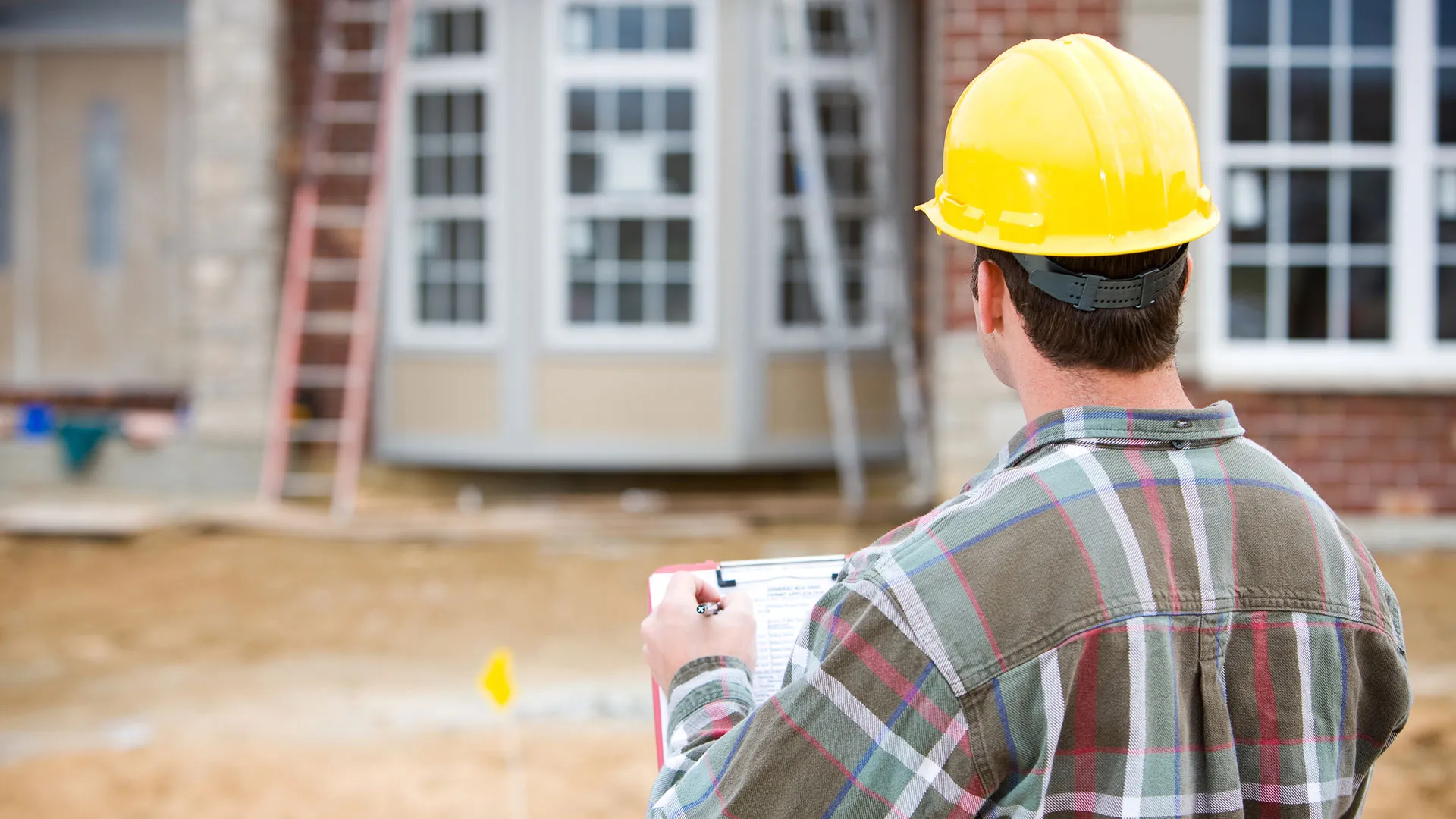
Buying a commercial property in Denver, CO, is a significant investment. Whether you are purchasing an office building, retail space, warehouse, industrial facility, multifamily property, or another commercial building, understanding its actual condition is essential before you finalize the transaction.
A professional commercial property inspection in Denver, CO can help identify visible defects, safety concerns, maintenance issues, aging building systems, and potential repair costs. More importantly, a thorough inspection gives buyers and investors valuable information they can use during the commercial real estate due diligence process.
What Is a Commercial Property Inspection?
A commercial property inspection is a detailed visual evaluation of a commercial building and its major components. The inspection is designed to identify existing deficiencies, potential areas of concern, and conditions that may require maintenance, repair, or further evaluation.
Unlike a basic residential inspection, commercial inspections can involve larger and more complex buildings with multiple mechanical, electrical, structural, and exterior systems.
Depending on the property, a commercial building inspection may evaluate:
- Structural components
- Roofing systems
- Exterior walls and building envelope
- Foundation and visible structural elements
- HVAC and mechanical systems
- Electrical systems
- Plumbing systems
- Interior spaces
- Doors and windows
- Parking areas and site conditions
- Drainage and grading
- Life-safety features
- Signs of water intrusion
- Visible moisture damage
- Deferred maintenance
- General building deficiencies
The scope of an inspection depends on the property’s size, age, type, and intended use.
Why Is Commercial Property Inspection Important in Denver?
Commercial real estate transactions involve substantial financial commitments. A property may look well-maintained during a walkthrough while still having aging equipment, deferred maintenance, roof problems, drainage concerns, or other costly deficiencies.
A professional commercial property inspection in Denver provides buyers with information they can use to make a more informed investment decision.
1. Identify Potential Property Defects
An inspection can uncover visible issues that may not be obvious during a standard property tour.
These may include:
- Roof deterioration
- Cracked or damaged exterior surfaces
- Water intrusion
- Plumbing deficiencies
- Electrical concerns
- HVAC problems
- Drainage issues
- Damaged building components
- Signs of deferred maintenance
Identifying these conditions before closing gives buyers an opportunity to better understand the property’s condition.
2. Support Commercial Real Estate Due Diligence
A commercial building inspection is an important component of the due diligence process.
Before purchasing a property, investors typically want to understand more than the property’s appearance. They need to evaluate its physical condition, potential maintenance requirements, and foreseeable capital expenses.
An inspection report can provide useful documentation for evaluating these considerations.
3. Help Estimate Future Maintenance Needs
Some commercial building components have predictable life cycles. HVAC equipment, roofing systems, electrical components, plumbing systems, and other building elements may eventually require significant maintenance or replacement.
Understanding the apparent condition of these systems can help property owners plan for future expenses.
4. Provide Negotiation Information
If significant deficiencies are discovered during an inspection, the findings may become part of the buyer’s discussions with the seller.
Depending on the purchase agreement and transaction circumstances, inspection findings may help buyers evaluate whether additional investigation, repairs, credits, or other considerations should be discussed.
An inspection does not guarantee that a buyer will receive a price reduction, but reliable property-condition information can support better-informed negotiations.
What Does a Commercial Property Inspection Include?
The exact scope varies according to the property and inspection agreement. However, a comprehensive commercial building inspection commonly examines the major accessible components of the property.
Structural Components
The inspector may look for visible indications of structural concerns, including:
- Foundation deficiencies
- Cracking
- Settlement indicators
- Damaged structural components
- Deterioration
- Visible movement or distortion
A commercial property inspector generally reports visible conditions rather than performing specialized engineering analysis unless a separate service is specifically included.
Roof and Exterior
The roof and building exterior are particularly important because water intrusion and exterior deterioration can lead to expensive repairs.
The inspection may include visible evaluation of:
- Roofing materials
- Flashings
- Roof drainage
- Exterior walls
- Windows and doors
- Exterior finishes
- Sealants
- Visible signs of water intrusion
HVAC and Mechanical Systems
Commercial buildings often have complex heating, ventilation, and air-conditioning equipment.
Depending on accessibility and inspection scope, the inspector may evaluate the apparent condition of:
- HVAC equipment
- Heating systems
- Cooling systems
- Ventilation components
- Controls
- Distribution systems
Specialized testing may be recommended when an issue requires evaluation beyond the scope of a standard visual inspection.
Electrical Systems
Electrical systems are another important component of commercial property due diligence.
An inspection may identify visible concerns involving:
- Electrical panels
- Service equipment
- Wiring
- Distribution components
- Switches and receptacles
- Visible electrical deficiencies
Electrical systems with significant or specialized concerns may require assessment by a qualified electrical professional.
Plumbing Systems
The inspector may evaluate accessible plumbing components and look for visible signs of:
- Leaks
- Corrosion
- Damaged piping
- Drainage problems
- Water pressure concerns
- Plumbing fixture deficiencies
Interior Areas
Interior spaces may be evaluated for visible conditions such as:
- Wall and ceiling damage
- Flooring deterioration
- Water stains
- Doors and windows
- Moisture indicators
- General maintenance issues
Commercial Property Types We Inspect
Commercial property inspections can apply to many different building types.
Common examples include:
Office Buildings
Office properties may contain multiple floors, HVAC zones, electrical systems, restrooms, common areas, and other building components that require evaluation.
Retail Properties
Retail buildings can have unique concerns related to storefronts, parking areas, HVAC systems, electrical infrastructure, and building exteriors.
Warehouses
Warehouse inspections may focus heavily on the roof, structural components, loading areas, electrical systems, drainage, and overall building envelope.
Industrial Properties
Industrial facilities can contain specialized equipment and systems. A general commercial inspection can help identify visible building conditions while specialized systems may require separate professional evaluation.
Multifamily Properties
Apartment and multifamily buildings may contain multiple units, common areas, mechanical systems, roofing components, plumbing systems, and exterior features.
Commercial Property Inspection vs. Residential Home Inspection
Although both inspections evaluate the physical condition of a property, commercial properties can be significantly more complex.
Commercial buildings may have:
- Larger mechanical systems
- More extensive electrical infrastructure
- Multiple tenants
- Complex roofing systems
- Larger parking and site areas
- Specialized equipment
- Multiple building systems
- Greater maintenance requirements
For this reason, buyers should select an inspector with experience relevant to the type and complexity of the commercial property being evaluated.
When Should You Schedule a Commercial Property Inspection?
Ideally, buyers should arrange an inspection as early as practical during the commercial real estate due diligence period.
Scheduling the inspection before closing gives the buyer time to:
- Understand the property’s condition.
- Review significant deficiencies.
- Obtain additional evaluations when necessary.
- Estimate potential repair or replacement costs.
- Discuss relevant findings with appropriate professionals.
- Make a better-informed investment decision.
The earlier significant problems are identified, the more time the buyer has to investigate them.
What Is a Commercial Property Inspection Report?
After the inspection, the buyer typically receives a report documenting the inspector’s observations.
A commercial property inspection report may include:
- Property information
- Inspection scope
- Building observations
- Deficiencies
- Photographs
- Recommendations
- System observations
- Areas requiring further evaluation
The report can serve as an important reference during the property acquisition and ownership process.
However, buyers should understand that a standard inspection is not a guarantee that every defect or future problem will be identified. Some conditions may be concealed, inaccessible, intermittent, or outside the inspection’s scope.
Denver-Specific Considerations for Commercial Properties
Denver’s climate and seasonal weather can contribute to building maintenance challenges.
Commercial property owners may need to pay particular attention to conditions associated with:
- Snow and ice
- Freeze-thaw cycles
- Roof drainage
- Exterior deterioration
- Water intrusion
- Seasonal temperature changes
- Drainage and grading
- HVAC performance
Colorado’s changing weather conditions can place stress on roofs, exterior materials, drainage systems, and other building components.
A commercial property inspection can help identify visible conditions that may warrant maintenance or further evaluation.
How Much Does a Commercial Property Inspection Cost in Denver?
The cost of a commercial property inspection varies considerably.
Factors that can affect pricing include:
- Building size
- Property type
- Building age
- Number of systems
- Property complexity
- Number of structures
- Inspection scope
- Accessibility
- Specialized systems
- Additional testing or evaluations
Because commercial properties vary significantly, buyers should request a detailed inspection proposal based on the specific property rather than relying on a generic inspection price.
How to Choose a Commercial Property Inspector in Denver
Choosing the right inspector is an important part of commercial real estate due diligence.
Look for an inspection professional who can demonstrate:
Relevant Experience
Experience with commercial buildings similar to the property you are purchasing can be valuable.
Clear Inspection Scope
Before scheduling an inspection, understand exactly what systems and areas are included and what limitations apply.
Detailed Reporting
A useful inspection report should clearly communicate significant observations and help the client understand areas that may require attention.
Professional Credentials and Training
Review the inspector’s professional qualifications, training, experience, and applicable certifications.
Local Knowledge
An inspector familiar with Denver-area commercial properties can provide useful context when evaluating common building conditions and regional maintenance concerns.
Questions to Ask Before Hiring a Commercial Building Inspector
Before scheduling an inspection, consider asking:
- How much commercial inspection experience do you have?
- Have you inspected properties similar to mine?
- What systems are included in the inspection?
- What areas are excluded?
- Will I receive a detailed written report?
- Are photographs included?
- How long will the inspection take?
- Do you provide recommendations for further evaluation?
- What additional inspections might the property require?
- What qualifications and credentials do you hold?
These questions can help you understand whether the inspector is appropriate for your particular property.
Why Experience Matters in Commercial Property Inspections
Commercial property inspections involve important financial decisions, so experience and professional expertise matter.
A trustworthy inspection company should clearly communicate its qualifications, inspection methodology, limitations, and areas of expertise.
Experience
Look for professionals with practical experience inspecting commercial buildings and identifying common building deficiencies.
Expertise
Commercial inspectors should understand the major components and systems commonly found in commercial properties.
Authoritativeness
Professional credentials, relevant training, industry experience, transparent reporting practices, and positive client feedback can help demonstrate credibility.
Trustworthiness
A trustworthy inspection provider should provide clear information about the inspection scope, limitations, fees, and reporting process without making unrealistic promises.
For buyers, transparency is particularly important because an inspection report can influence a major real estate investment.
Frequently Asked Questions
What is included in a commercial property inspection?
A commercial property inspection typically evaluates accessible and visible building components such as structural elements, roofing, exterior areas, HVAC, electrical, plumbing, interiors, and site conditions. The exact scope varies by property and inspection agreement.
How long does a commercial property inspection take?
Inspection time depends on the size, age, complexity, and condition of the property. A small commercial building may require substantially less time than a large multi-building property.
Should I get a commercial inspection before buying a property?
Yes. A commercial inspection can provide valuable information about the property’s observable condition and help identify issues that may require further evaluation before completing a purchase.
Is a commercial property inspection the same as a property appraisal?
No. An inspection primarily evaluates the observable physical condition of the property, while an appraisal determines an estimated market value using valuation methods.
Does a commercial inspection find every problem?
No inspection can guarantee that every defect will be discovered. Concealed, inaccessible, intermittent, or specialized conditions may not be identified during a standard inspection.
What happens if the inspection finds major problems?
Significant findings may lead to additional investigation, repair estimates, engineering evaluations, or discussions between the buyer and seller. The appropriate response depends on the specific condition and terms of the transaction.
Can investors use a commercial inspection for due diligence?
Yes. Commercial property inspections are commonly used as part of the physical due diligence process when evaluating a potential acquisition.
Protect Your Commercial Real Estate Investment
A commercial property represents a substantial financial commitment. Before purchasing a building in Denver, understanding its physical condition can help you make decisions based on information rather than assumptions.
A professional commercial property inspection in Denver, CO can help identify visible deficiencies, maintenance concerns, aging systems, and conditions that may require further investigation.
Whether you’re purchasing an office building, retail property, warehouse, industrial facility, or multifamily property, a thorough inspection can be an important part of your commercial real estate due diligence process.
Ready to learn more about the condition of a commercial property? Contact a qualified Denver commercial property inspector to discuss the property, inspection scope, and your specific due diligence needs.